







Search Results for: parameter logging
Costa Rica Fuego Phoenix Estate Blue Sapphire SOE Espresso Preparation Log: Extraction and Milk Coffee Performance of a Light-Medium Roasted Single-Origin Espresso Bean
This article is the first in a series of SOE espresso experiments launched by Front Street Coffee, using Costa Rican Fuego Phoenix Estate Sapphire coffee beans to make espresso. These beans come from the Central Valley, at an altitude of 1600 meters, sun-dried, with varieties Caturra and Catuai. The article documents in detail the extraction parameters and flavor performance, and extends to pairing tests with milk coffee. Since the beans' roast level was originally more suited to pour-over, when used for SOE, the resting period needs to be extended and the extraction time lengthened to 35 seconds, in order to fully release the fermented aromas and avoid under-extraction. If you are interested in single-origin espresso, you may wish to refer to the parameters in this article to explore more possibilities with these beans. [more…]
Front Street Costa Rica Mozart Roast Log: A Comparison of Six Batches Across Two Approaches, with Brewing Recommendations
When faced with a new bean, roasters typically start by gathering origin information and the flavor descriptions provided by the green bean supplier, then gradually adjust through test roasts and cupping. Front Street Coffee Costa Rica Mozart is known for its unique raisin honey process and complex aroma. This article documents the complete roasting exploration process for this bean: first, three test roasts were conducted using a stepwise decreasing heat and extended dehydration approach, but cupping revealed the flavor was rather light; subsequently, three more roasts were done using rapid dehydration and increased heat to drive aroma, and ultimately a curve combining floral notes and fermented winey aroma was selected. The article also includes pour-over extraction parameters and brewing techniques for coffee enthusiasts' reference. [more…]
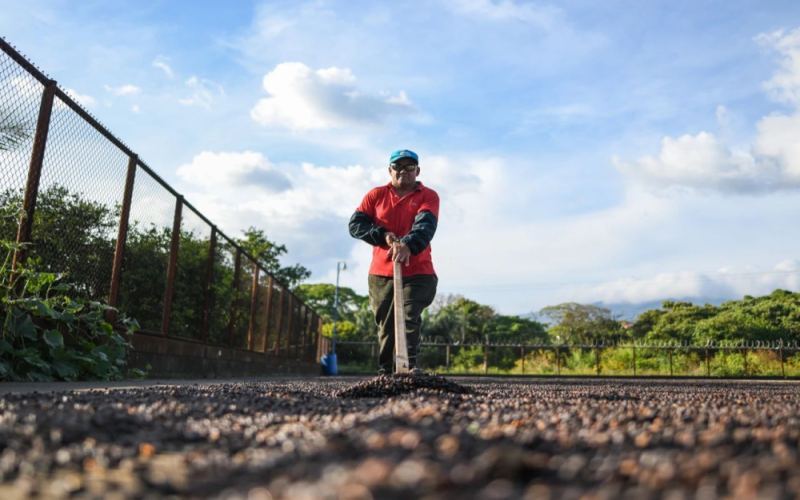
The Complete Guide to Costa Rican Honey Process Coffee: Black Honey Flavor Profile, Pour-Over Parameters, and Front Street Diamond Series Brewing Log
Honey processing is the most iconic coffee processing method in Costa Rica, but you may not know that, depending on the degree of mucilage retention, honey processing is further divided into multiple grades such as black honey, red honey, yellow honey, and white honey. This article starts with a Costa Rican Diamond Series black honey from Front Street Coffee, and sorts out the origins and evolution of honey processing, the process differences between the various grades, and the innovative raisin honey processing method that has become popular in recent years. The article also includes the roast curve, cupping report, and V60 pour-over parameters for this Front Street Coffee black honey coffee, including water temperature, coffee-to-water ratio, grind size, and staged pouring technique, making it easy for coffee enthusiasts to replicate at home. If you want to understand why honey-processed coffee has such pronounced sweetness and a rich, full-bodied mouthfeel, this content is worth reading carefully. [more…]
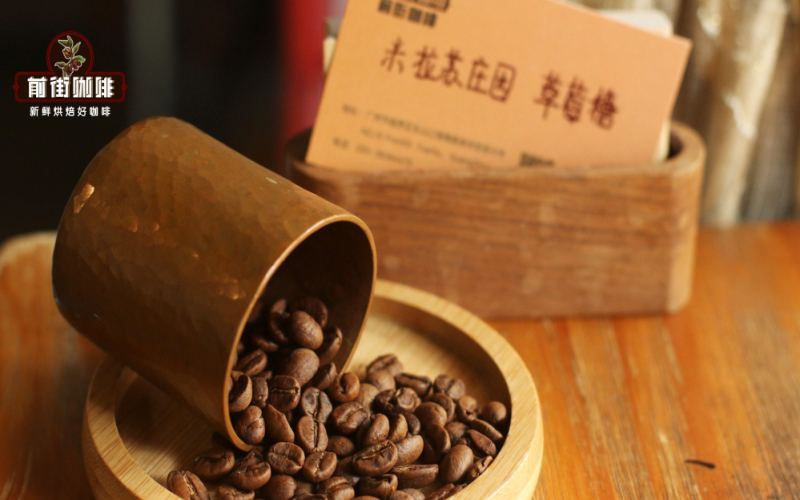
Analysis of the Definition of Single-Origin Coffee Beans and a Brewing Log of Costa Rica Mirazu Estate Raisin Honey-Process Geisha Blend
How exactly are single-origin coffee beans defined? This article begins with Front Street Coffee's Geisha blend, sorting out the naming logic and origin awareness of single-origin coffee, and takes a deep dive into Mirazu Estate in the Tarrazú region of Costa Rica, analyzing the composition of its multi-variety blend of Geisha, ET47, SL28, and Maico, as well as the processing details of the raisin honey method. The estate owner Esteban Sanches's formal academic background and experimental spirit give this bean both floral notes and berry sweetness. The article also fully presents Front Street Coffee's roasting curve, cupping report, and V60 brewing parameters, providing coffee enthusiasts with a full-process reference from green bean understanding to extraction execution. [more…]
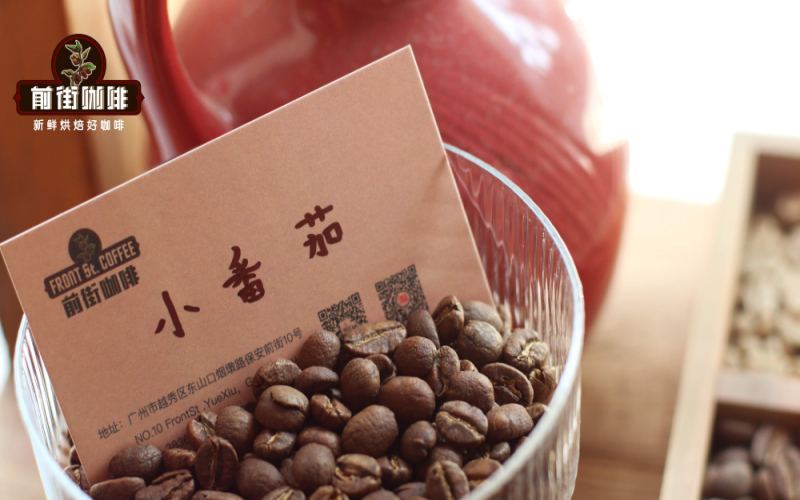
A Complete Guide to Kenyan Coffee Bean Grades: AA, PB, E Explained with a Roasting Log of Ichamama Peaberry
Kenya AA coffee occupies a pivotal position in the global specialty coffee landscape, yet the letter grades surrounding it are often confusing. What exactly do these codes—E, PB, AA, AB, C, TT, T, MH/ML—mean? From the perspective of Front Street Coffee, this article systematically sorts out Kenya's grading system based on raw bean screen size, and takes an in-depth look at a Peaberry from the Ichamama Factory in the Nyeri region, presenting the unique charm of Kenyan PB in full through raw bean information, cooperative background, four-roast comparison experiments, and cupping performance. At the end, it also includes Front Street Kenya Small Tomato AA's brewing parameters and flavor description, offering readers an intuitive AA vs. PB reference. [more…]
Colombia El Mirador Estate Washed Caturra Green Coffee Bean Review and Roast Log
In recent years, more and more micro green coffee traders specializing in single countries of origin have entered the market. They are more closely connected with estates, so the probability of their products being a miss is relatively lower. This review features Front Street Coffee Colombia Little Cabin Estate Washed Caturra coffee beans, from Company C, a green coffee trader specializing in Colombia. This bean has jasmine floral notes, chocolate, caramel, and moderate acidity. We conducted a 500g roasting test and recorded the complete cupping performance. In Michael Sheridan's experiments, the Caturra variety usually shows medium acidity and body, with cupping scores of about 82-85 points. This bean can be used both for pour-over single-origin brewing and for blends, but its SOE performance is somewhat monotonous. The detailed review process is as follows. [more…]
Artisan Roasting Software Operation Guide: Coffee Bean Temperature Curve Logging and Flavor Control Techniques
For coffee roasters pursuing consistent output and flavor reproducibility, Artisan is a rare open-source tool. It can connect to temperature recorders or PID controllers, collect bean temperature and air temperature data in real time during the roasting process, automatically generate visualized curves, and help judge the trends of the drying, Maillard, and development phases. This article compiles Artisan's core functions, compatible device list, export and reporting methods, and includes software screenshots and a version update summary. Whether you use Mac, Windows, or Linux, you can use it to optimize your roasting rhythm, making the flavor performance of every batch of Front Street Coffee beans more controllable and more reproducible. [more…]
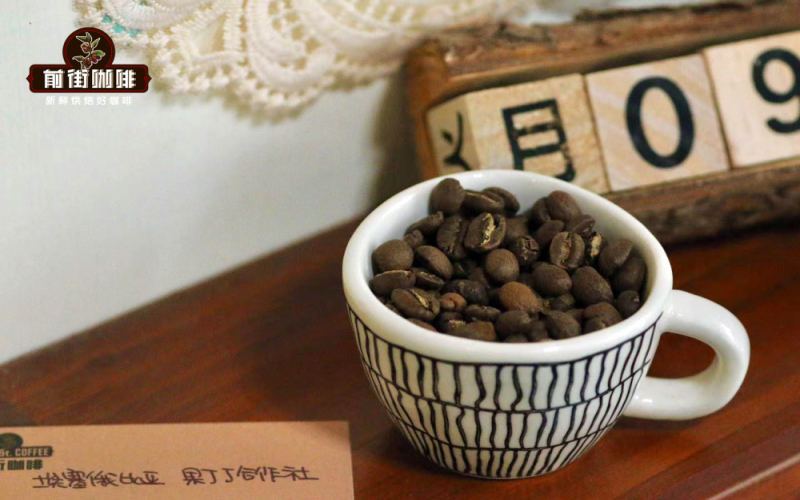
Ethiopia Natural Yirgacheffe Aricha Region Flavor Analysis and Pour-Over Brewing Log
Yirgacheffe is synonymous with Ethiopian specialty coffee, and the sun-dried lots from the Aricha processing station are among the finest of them all. This article documents the tasting and brewing experience of Front Street Yirgacheffe Aricha G1, providing a comprehensive analysis of this coffee hailed as the "King of Fruits," from cupping flavors to terroir. The article also introduces the washed Yirgacheffe Konga Cooperative from the same region, and delves into Ethiopia's geographical and climatic advantages as the birthplace of coffee, helping coffee enthusiasts gain a more complete understanding of the flavor sources and brewing key points of Yirgacheffe. [more…]
Guatemalan Coffee Brewing Log and Full Analysis of Five Major Regional Terroirs: From the Clever Dripper to the Antigua Origin
This article documents two brewing comparisons of Front Street Guatemalan coffee beans in a Clever Dripper, detailing the differences in flavor and adjustment approaches from grind setting and water temperature to pouring rhythm. The second round won out with a fuller mouthfeel and citrusy sweet aftertaste. It then systematically reviews the five major coffee-producing regions of Guatemala—San Marcos, Acatenango, Atitlán, Cobán, and Antigua—covering the altitude, harvest period, varieties, and terroir characteristics of each region, providing coffee enthusiasts with a reference note that combines practical brewing with producing-region knowledge. [more…]
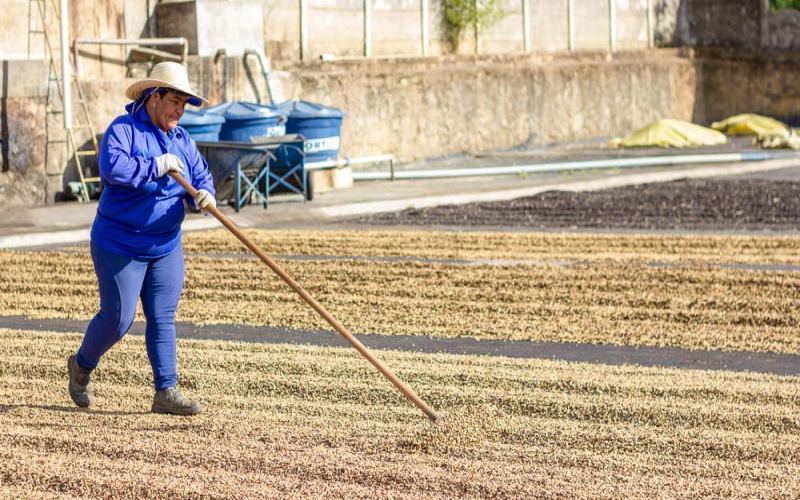
A Complete Guide to Brazil Cerrado Coffee: Flavor Analysis, Red Bourbon Roasting, and Brewing Log
Brazil, as the world's largest coffee producer, has fluctuations in any of its regions that ripple through the international coffee market. Among the many producing regions, the Cerrado in the central-west of Minas state, with its fertile soil and distinct wet and dry seasons, nurtures the "soft bean" flavor profile known for low acidity, nutty and chocolate sweetness, and full-bodied balance. The Brazil Cerrado Red Bourbon from Front Street Coffee's daily drinker series is a classic representation of this style—interweaving roasted nuts, chocolate, cream, and caramel, it suits those who dislike acidity and prefer a rounded mouthfeel. This article will systematically cover the terroir conditions of the Cerrado region, Brazil's coffee taste classification and main producing regions, and provide a complete record of Front Street Coffee's medium roast profile for this Red Bourbon, along with the Kono dripper segmented brewing method. Finally, it will explain in detail the process differences among Brazil's four processing methods—natural dry process, pulped, semi-washed, and washed—helping coffee enthusiasts fully understand the flavor logic of Brazilian coffee from origin to cup. [more…]

Sarawak's Long Banga indigenous community switches to growing Liberica coffee, hoping to enter the international market and boost ecotourism
In the Long Banga area of northeastern Sarawak, Malaysia, indigenous farmers are turning their attention to coffee cultivation, hoping to bring local coffee beans to the international market and to inject new vitality into local tourism through coffee estates. Sarawak's economy has long relied on oil, natural gas, rubber, and hardwood, and excessive logging has brought ecological pressure, with coffee and tourism seen as directions for transformation. The main local crop is Liberica, valued for its tolerance of low altitudes, strong disease resistance, larger fruit, and faster ripening. Although coffee was introduced in the 19th century, it faded into obscurity due to poor management and the priority given to pepper and rubber, and only in 2019 did a turning point arrive. Today, farmers run homestays while growing coffee, and the government also hopes to use historic buildings, rivers, and jungle resources to attract more tourists. [more…]
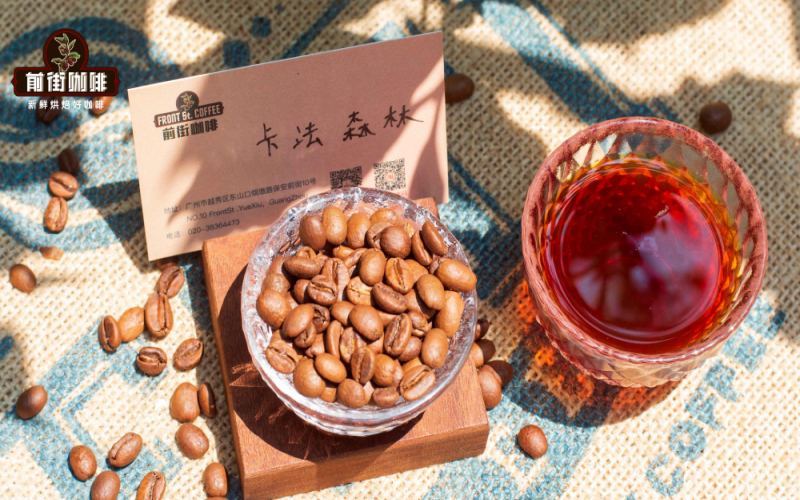
Ethiopian Kafa Forest Coffee: A Wild Arabica Gene Treasure Trove and Sun-Dried Flavor Analysis
In western Ethiopia, the Kafa Biosphere Reserve is renowned for its wild coffee—coffee trees grow in shaded environments at altitudes of 1,400 to 2,100 meters, where red soil, microclimates, and abundant rainfall combine to cultivate a unique flavor. Front Street Kafa Forest coffee beans are medium-light roasted, presenting white floral aromas after grinding, with a bright citric acidity on the palate, accompanied by notes of sweet orange and bergamot, and a finish of melon and nutty flavors, resembling green tea in mouthfeel. This forest, covering over 760,000 hectares, is considered a genetic treasure trove of Arabica coffee, nurturing approximately 5,000 coffee tree species. However, clearing and logging once threatened the forest with disappearance; since 2010, it has been designated an international biosphere conservation area, with about 30 cooperatives established nearby to harvest wild cherries. This article delves into the Kafa Forest, analyzing its ecology, varieties, and cup profile. [more…]
Tanzania Kilimanjaro AA Coffee Bean Flavor Analysis and Pour-Over Parameters: Bourbon Variety, Washed Processing, and Grading Standards
Among African coffee-producing countries, Tanzania's Kilimanjaro region is often praised by seasoned enthusiasts. This Front Street Coffee Tanzania Kilimanjaro AA coffee bean comes from the volcanic ash soil around Africa's highest peak, is of the Bourbon variety, and is washed-processed, with a cup profile of citrus, berries, honey, and tea notes. In this article, Front Street Coffee will break down the flavor origins of this bean across four dimensions—growing conditions, variety heritage, processing method, and the AA grading standard—and include the complete parameters and brewing log for a segmented V60 pour-over, so readers can replicate it for comparison. [more…]
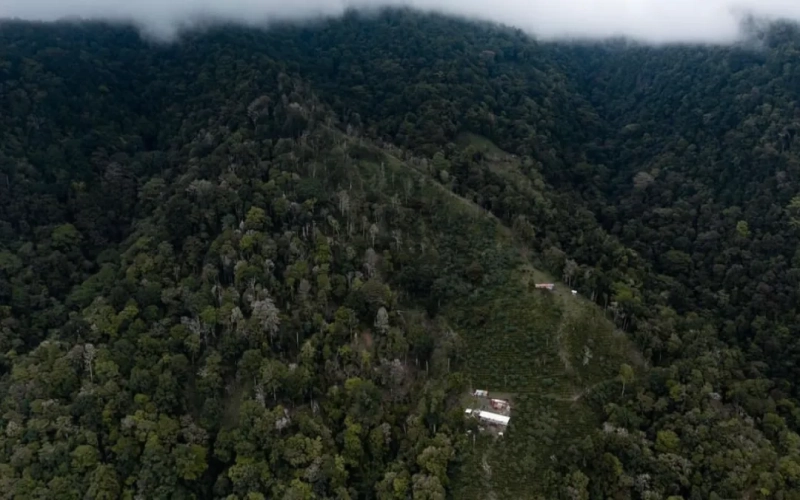
The Development History of Panama Elida Estate Coffee and a Detailed Flavor Analysis of Geisha Natural Beans
Elida Estate is one of the most prestigious coffee estates in Panama, belonging to the Lamastus family. Since its founding, Mr. Robert has made producing high-quality coffee his core pursuit, and this passion has been passed down through generations, now continuing into the family's fourth generation. In recent years, the Lamastus family has acquired El Burro Estate, bringing the number of estates under its umbrella to five, though only three actually produce coffee: besides Elida, there are also El Burro Estate and Elida Estate Luis Quiel, each with its own distinctive character shaped by differences in terroir. Elida covers 65 hectares, more than half of which lies within the protected area of Barú Volcano National Park, where logging is prohibited, leaving an actual planted area of about 30 hectares. The superior microclimate, volcanic soil, and high altitude, combined with the family's strict control over harvesting and processing, give Elida coffee its unique flavor. This article will also share the cupping performance of Front Street Coffee's Panama Elida Estate Natural Geisha. [more…]

The Tims flagship store on Shanghai University Road quietly closes, marking the end of a five-year landmark of youthful memories.
Recently, students near Shanghai's University Road discovered that the Tims Coffee University Road store, which had accompanied them for over five years, was dismantling its signage and quietly closing down. When it opened in 2019, this store was the largest location Tims had in Shanghai after entering the city. Comprising a two-story North American-style wooden cabin with a total area exceeding 400 square meters, it was not only a landmark meeting spot for nearby residents but also a carrier of youthful memories for many university students who studied, dated, and prepared for exams off campus. Its sudden closure has sparked widespread attention and regret, as well as various speculations about the reasons behind it. This article will revisit the unique features of this store, present the real reactions of customers, and sort out the possible reasons for its closure. [more…]
Papua New Guinea Chimbu Coffee Pour-Over Record: Two Roast Profiles and Flavor Changes
Papua New Guinea is not only unique in its geographical location, but also produces the world-famous Bird of Paradise coffee. This article documents two pour-over roasting experiments with coffee beans from the Chimbu region: the first missed the fruity notes due to over-roasting, while the second dropped the beans promptly after a dense first crack, finally revealing sweetness and a lasting aftertaste. From green bean processing to brewing parameters, the author shares key details such as water temperature, coffee-to-water ratio, and bloom time, and compares the flavor differences between the two roasts. If you are also curious about coffee beans from mysterious regions, or want to understand the rich charm of Chimbu coffee, this pour-over record will provide you with practical reference. At the end of the article, recommendation information from Front Street Coffee is also included. [more…]
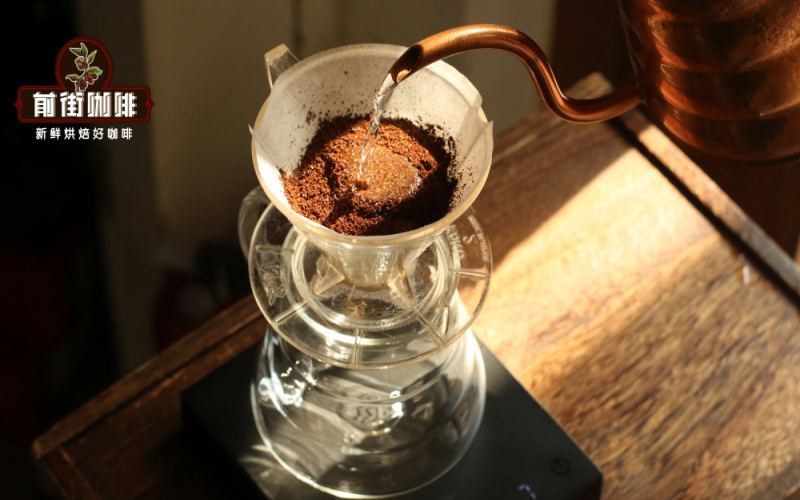
A Century of Evolution of the Melitta Filter Cup: From Blotting Paper Inspiration to a Performance Comparison of the V60 and Kono Pour-Over Filter Cups
Pour-over coffee is inseparable from the dripper, but just how big is the dripper's influence on flavor? This article begins with the Melitta dripper, which went into production in 1912, and traces the story of the birth of the world's first trapezoidal dripper—Mrs. Melitta, inspired by blotting paper, poked holes in a brass cup to filter coffee, but because the filter paper was difficult to fit the cylindrical container, this gave rise to the prototype of the ribs. Afterward, the defect of slow flow in the single-hole design prompted the emergence of multi-hole versions. The article then focuses on the core elements of the dripper: flow rate and flow-guiding performance, and through actual testing of V60 and the Kono short-rib version with Front Street Coffee's Mandheling beans, reveals the practical effects of different drippers on extraction time, mouthfeel, and grinding adjustment. [more…]
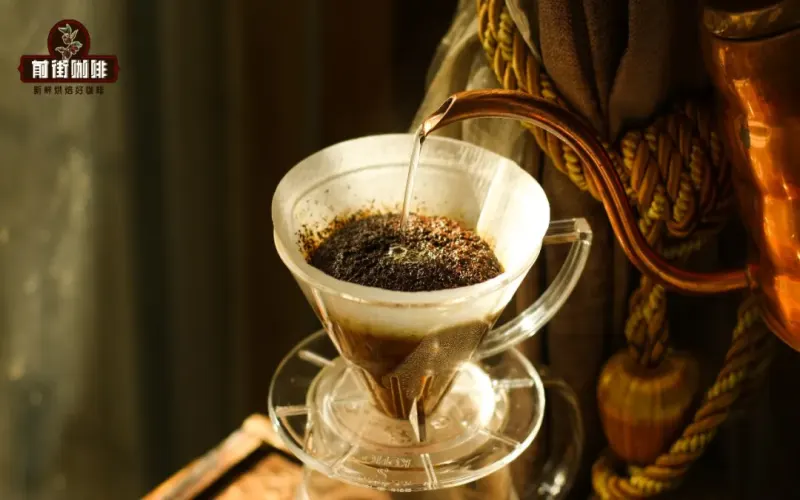
Hand-Pour Coffee for Absolute Beginners: A Practical Guide from Tasting and Journaling to Flexible Parameter Adjustment
Many people who are just getting into pour-over coffee feel that the barrier to entry is high, but in fact, as long as you grasp the four core parameters of grind, water temperature, ratio, and time, brewing good coffee is not difficult. This article starts from a beginner's perspective and shares three practical tips for getting up to speed quickly: first, learn how to taste a cup of coffee, and build flavor judgment through drinking more and comparing, using cupping when necessary to understand the normal state of the beans; second, develop the habit of record-keeping, systematically tracking bean information, brewing parameters, and final performance, and learn to control variables to understand the impact of each parameter on extraction; finally, on the basis of familiarity with the logic of the parameters, adjust flexibly and make targeted corrections for problems such as under-extraction. In the article, Front Street Coffee uses Huakui as an example, giving specific parameters and adjustment ideas to help beginners avoid detours. [more…]
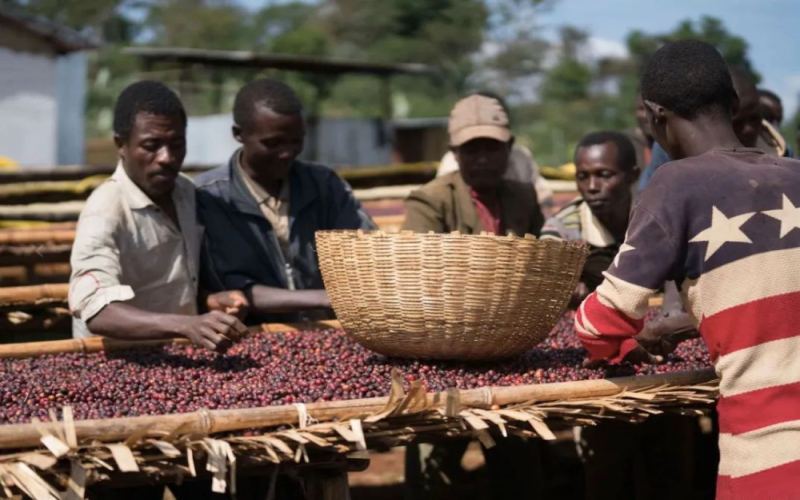
The Original Home of Ethiopian Coffee: Cultivation Patterns in the Kafa Forest and the Coffee Variety Gene Bank
Ethiopia is the birthplace of coffee, and its cultivation models fall into three types: garden, estate, and forest. Among them, the forest cultivation in the Kafa region of the southwest is the most unique. This place is not only the hometown of coffee but also home to about 5,000 coffee tree species, making it a genetic treasure trove of Arabica coffee. The Kafa forest has undergone logging and protection, and today it persists in the form of a biosphere reserve, with about 30 cooperatives in the surrounding area engaged in coffee production. Front Street Coffee has also launched a washed coffee bean from this producing region, presenting floral aromas, citric acidity, and sweet orange and bergamot flavors. This article will guide you through the cultivation traditions, historical changes, and coffee characteristics of the Kafa forest. [more…]
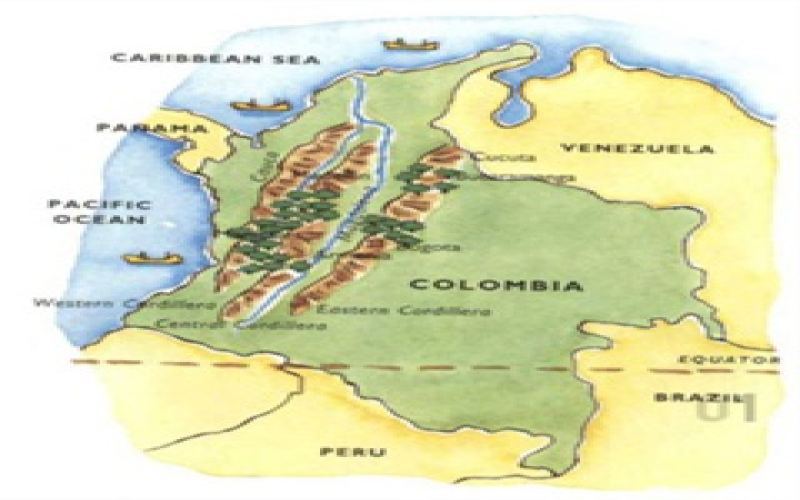
An Analysis of the Flavor Characteristics of Colombian Huila Coffee Beans: Terroir, Processing Methods, and Pour-Over Tasting
In the world of coffee, categories named after countries are everywhere, but what truly makes each bean unique is the specific region and estate behind it. Just as Ethiopia has Yirgacheffe and Sidamo, Colombia also boasts renowned names like Narino and Huila. Today, we're going to talk about specialty coffee from Colombia's Huila region. This land, embraced by mountains and canyons, nurtures high-quality Arabica beans with intertwined flavors of nuts, chocolate, and caramel, thanks to its high altitude, suitable temperatures, and ample rainfall. Combined with manual hand-picking and washed processing, Huila coffee presents a full, smooth body and a soft, pleasant fruit acidity, earning it the title of the country's "green gold." The following article will guide you through its terroir conditions and share a Front Street-style pour-over brewing log. [more…]